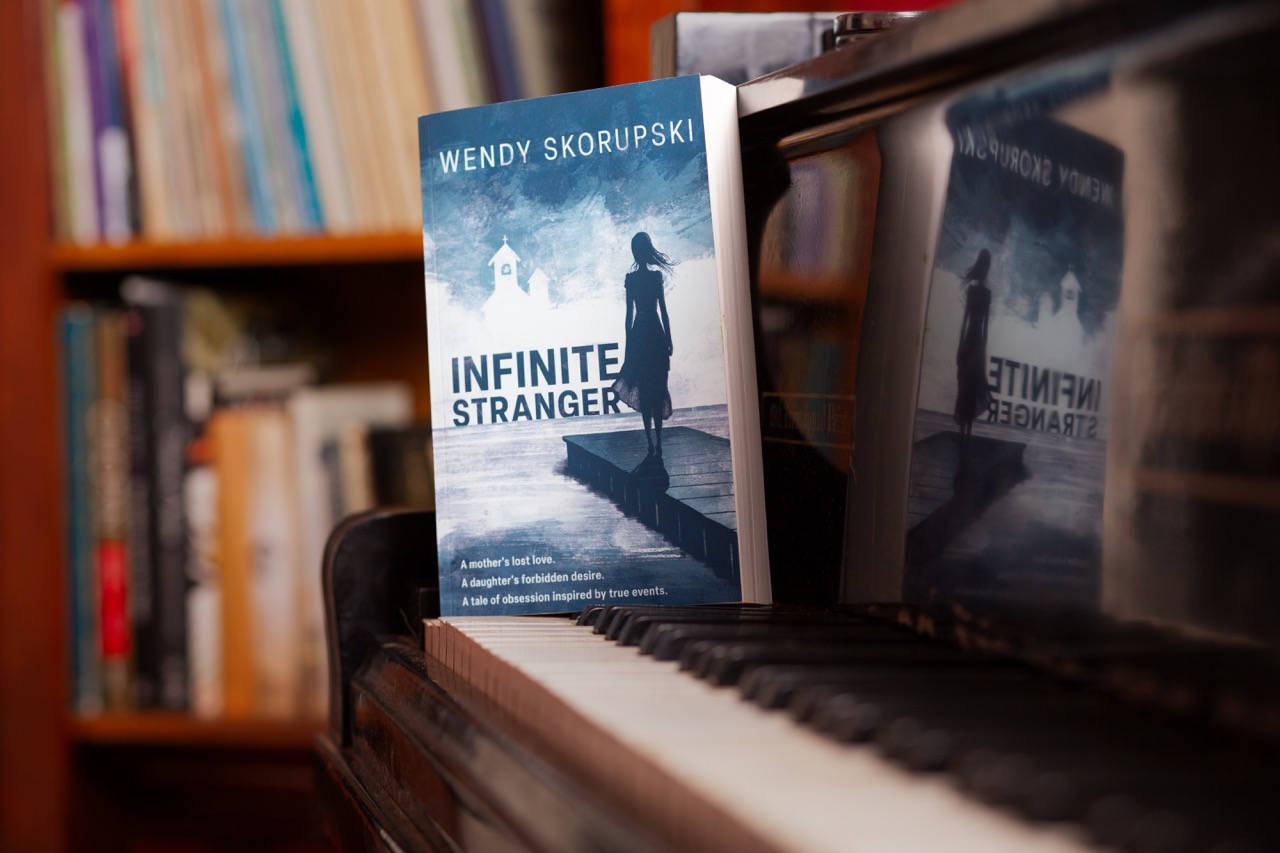
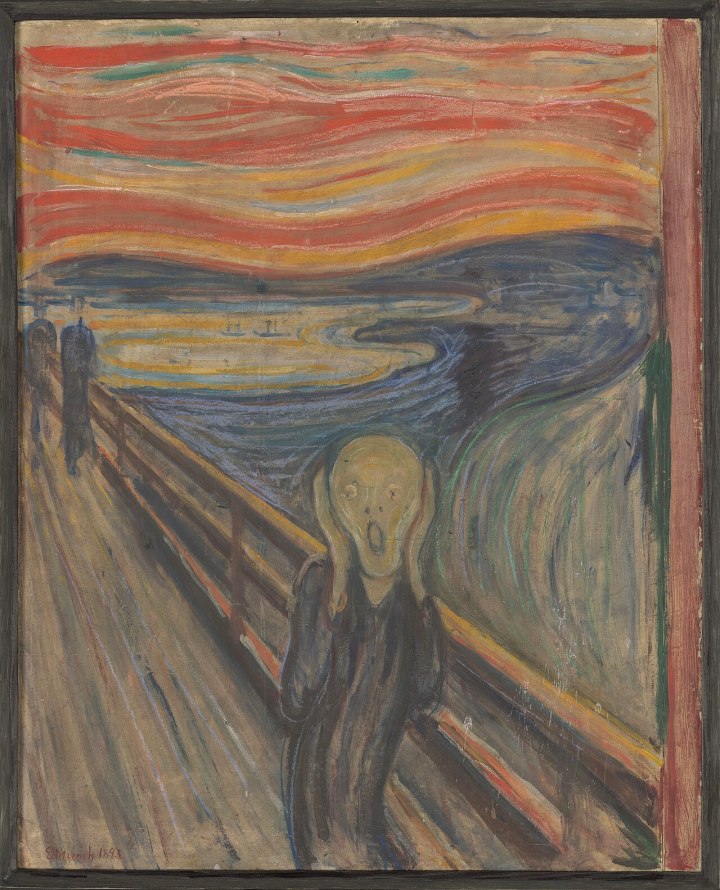
What do all these have in common?
– Marriage was better when women couldn’t leave.
– Sending children to school is a form of abuse.
– Nobody over seventy should be allowed to drive.
They’re all quirky, sensationalist, intended to shock or intrigue you – and, above all, to HOOK you.
That’s the key word in our current lives, isn’t it? Our constant literary dementor. The hook. Whether it be on TikTok, Instagram, Netflix … in books, articles, social posts, wherever … the absolute primary aim above all else is: I’m gonna hook you! and Ooh, yes please, HOOK ME!
Perhaps the reason I’m feeling particularly weary about the wretched ‘H’ word right now is because I’ve just come back from a lovely, lilting, slow-burn holiday in Cyprus, where the soft swell of the sea, the soothing stillness of the mountains, and the laid-back friendliness of the locals all freed me from the obsessive pursuit of thrills and lures and bait. The ongoing, insidious need for instant gratification.
HOOK ME!
I wonder if today’s readers and bloggers also demand instant orgasms? Ah, now there’s a good hook.
I’m being flippant, of course – but also making a serious point. Because it seems to me, as a serious lover of literature who has spent her entire life reading and writing (well, from about the age of seven, let’s say), that nowadays, hooking your reader right from the get-go is more important than anything in the whole fucking world.
Oops, got a bit carried away there, sorry. But I AM angry.
Has everyone really become so shallow? So feeble-minded? And who are the culprits? Is it the general reading public, who truly craves HOOK HOOK HOOK from the very first page – no, the very first paragraph – no, the very first sentence? Or are the true villains the agents and editors and publishers who are constantly feeding the masses with the belief that they need to be grabbed by the lapes from the very first word?
Sorry, I’m getting a bit hyperbolic. I mean, obviously you can’t hook someone from the very first word. Hmm. Or can you? I suppose if you started a novel with the word ARSEHOLE it might do the trick.
But seriously, what on earth happened to good old quality literature? To skilful writing? To trusting the author to deliver a damn good story, but not necessarily from PARAGRAPH ONE, for God’s sake.
What happened to the deft, patient, masterly use of words that urges us to keep on turning the pages because of factors other than hooks? For instance, a beautifully written opening – an evocative scene, a well-conjured character, a gentle statement with hidden intrigue. And then, over the coming chapters, the weaving of a tangled web that we’ll find ourselves slowly drawn into as the story unfolds: one that will make us far more connected than a mere lightweight, kitschy hook at the outset. Intrigue and character development can carry us along that perfect surfer’s wave, allowing it to break at just the right moment. Isn’t that preferable to strangling us in a vice-like grip right from Page One?
Some of the greatest novels of all time would never have seen the light of day if they’d been submitted to agents now.
Let’s take Gone With the Wind, for starters.
Scarlett O’Hara was not beautiful, but men seldom realised it when caught by her charm as the Tarleton twins were. In her face were too sharply blended the delicate features of her mother, a coast aristocrat of French descent, and the heavy ones of her florid Irish father.
How about The Great Gatsby?
In my younger and more vulnerable years my father gave me some advice that I’ve been turning over in my mind ever since. ‘Whenever you feel like criticizing any one,’ he told me, ‘just remember that all the people in this world haven’t had the advantages that you’ve had.’
And To Kill a Mocking Bird?
When he was nearly thirteen, my brother Jem got his arm badly broken at the elbow. When it later healed, and his fears of never being able to play football were assuaged, he was seldom self-conscious about his injury.
So here’s a test. What do all three openings have in common? Yep, you’ve got it. No screaming, sensational hooks. Just wonderful writing, with enough subtle intrigue to make us want to read on. Bravo to Margaret Mitchell, Scott Fitzgerald and Harper Lee, I say! I want to hug them all.
I recently saw a post by an agent or editor (I think), giving advice to unpublished writers. And what was their counsel? That the most important thing you need to work on when submitting your novel is your hooky opening sentence, whether or not you actually meant to open like that – because after all, once you’ve finally captured your dream agent or publisher, you can always change it.
In my world, that piece of advice, together with the entire hooky-craze the literary world has plunged into in recent years, is quite frankly synonymous with selling your literary soul to the devil. Who knows, maybe we’re all currently living in the devil’s age?
Now there’s a good idea for a hook. Hmm. Let’s see … (future novel in the making …)
Got it!
(Nine months down the road:)
SUBMISSION: The Devil’s Age by hook-obsessed author
Chapter One
Delilah Gallows curled herself up in bed with a smile on her face, her latest book in her hands, then opened the first page …
and screamed.
That’s precisely what I feel like doing.
SCREAMING.


…and once again Word Press has swallowed my comment regarding your blog. Somebody doesn’t like me I guess. I’ll hope for better luck next time.
Gesendet von Outlook für Androidhttps://aka.ms/AAb9ysg ________________________________
LikeLike
So sorry about that
LikeLike
Maybe try again, as that last comment you wrote got through!
LikeLike